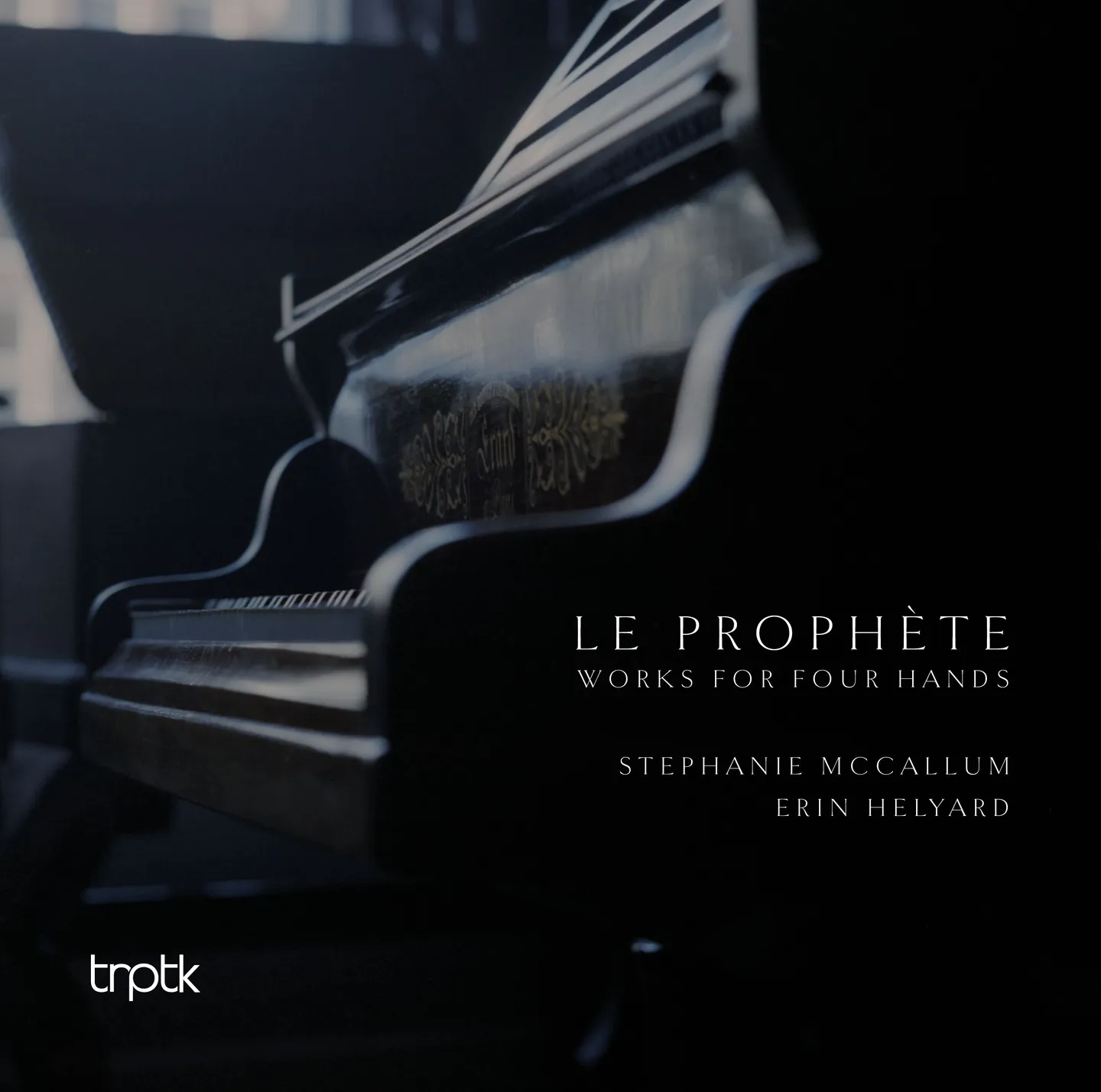
Album cover for Le Prophète by Stephanie McCallum & Erin Helyard

Le Prophète

Stephanie McCallum & Erin Helyard

About the album

The only way to listen to the latest symphony or opera in the nineteenth century was to either seek out a live performance or perform it at home with a piano partner, à quatre mains. Thus, an enormous amount of four-hand literature abounds from the 1820s to the 1930s.

Works in transcription largely dominate this repertoire: operas, symphonies, and chamber works were adapted en masse for four hands by skilled and not so skilled musicians alike. But there were also works freshly composed in the medium, and four-handed playing could be heard in the home (its natural environment) but also on the relatively new environment of the concert stage.

The ubiquity and popularity of the four- handed format meant that it crossed national, social, and economic boundaries. As such, the piano duet was a powerful cultural site in which anxieties about gender, nationality, labour, and pleasure were writ large. Adrian Daub in Four- Handed Monsters: Four-Hand Piano Playing and Nineteenth-Century Culture has brilliantly surveyed nineteenth-century and early twentieth-century novels for traces of how the piano duet interacted with those who played and listened to them. Daub argues on the strength of a rich and provocative bed of primary literature that four-hand piano playing theatricalised nineteenth-century issues of subjectivity, community, eroticism, nationalism, and consumerism.

One of the most compelling arguments in Four-Handed Monsters is Daub’s exploration of how four-hands music had a particular and especial relationship to consumption and commodification. Certainly, as the “proto-CD of nineteenth- century domestic culture,” four-hand music was mass-produced and consumed eagerly. The nineteen-year-old Friedrich Nietzsche’s Christmas wish- list in 1863, for instance, reads “(1) The Grand Duo by F. Schubert, arranged for four hands; (2) Düntzer’s edition of Goethe’s lyric poems.” Four-handed music and its performance was undoubtedly one of the important and influential components of nineteenth-century transnational musical culture. One would argue that it could be considered the most pervasive and important, by dint of its widespread agency.
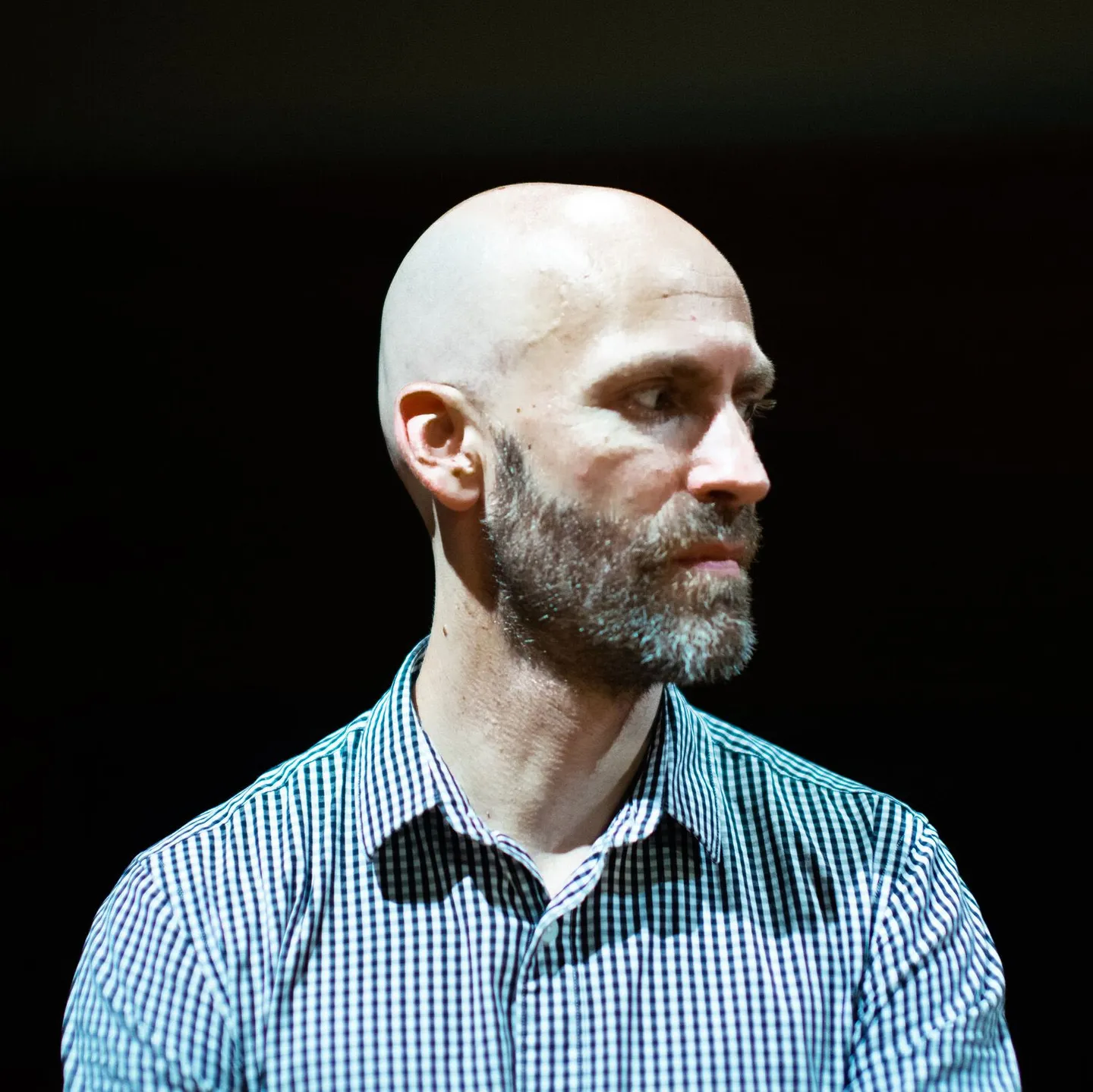
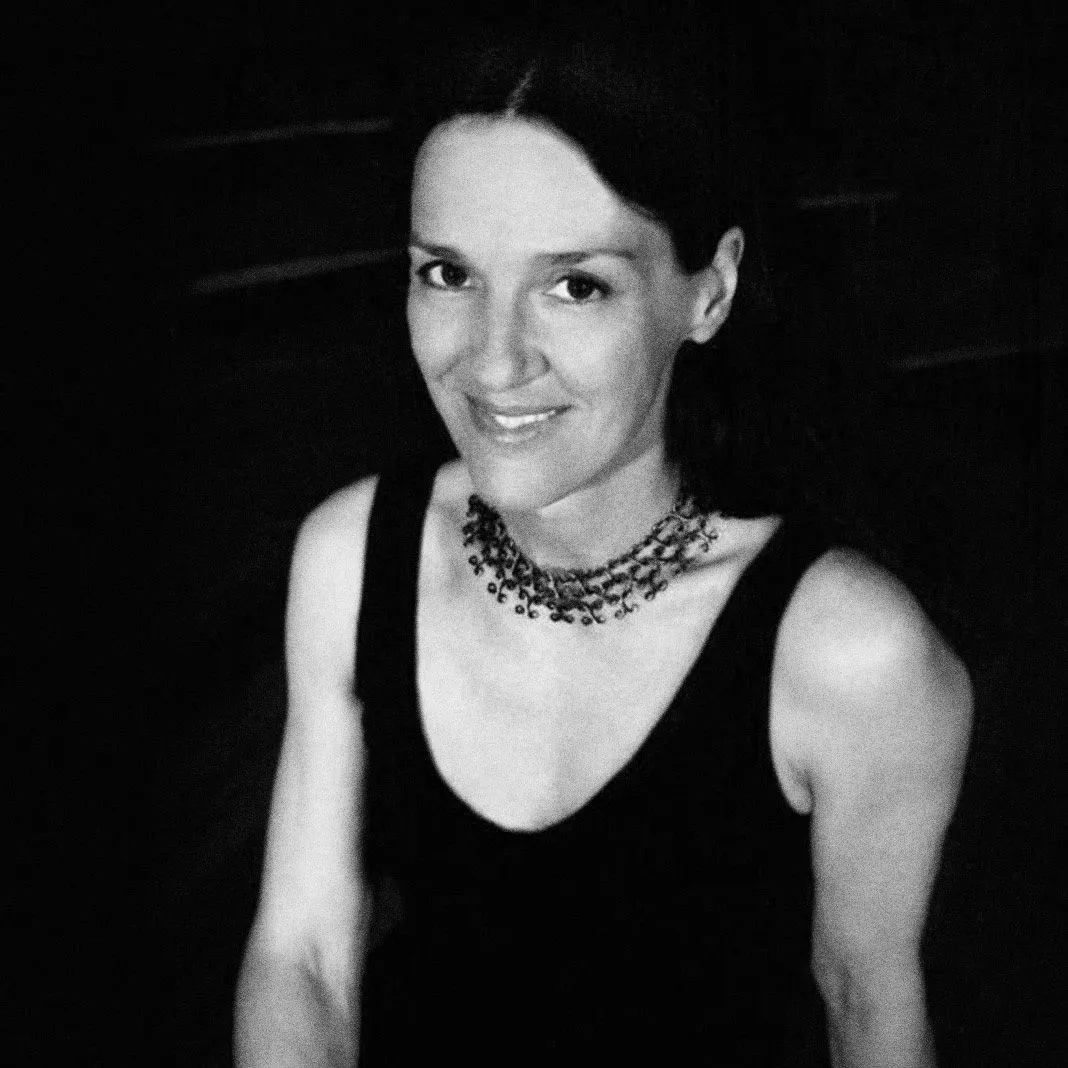
Tracklist

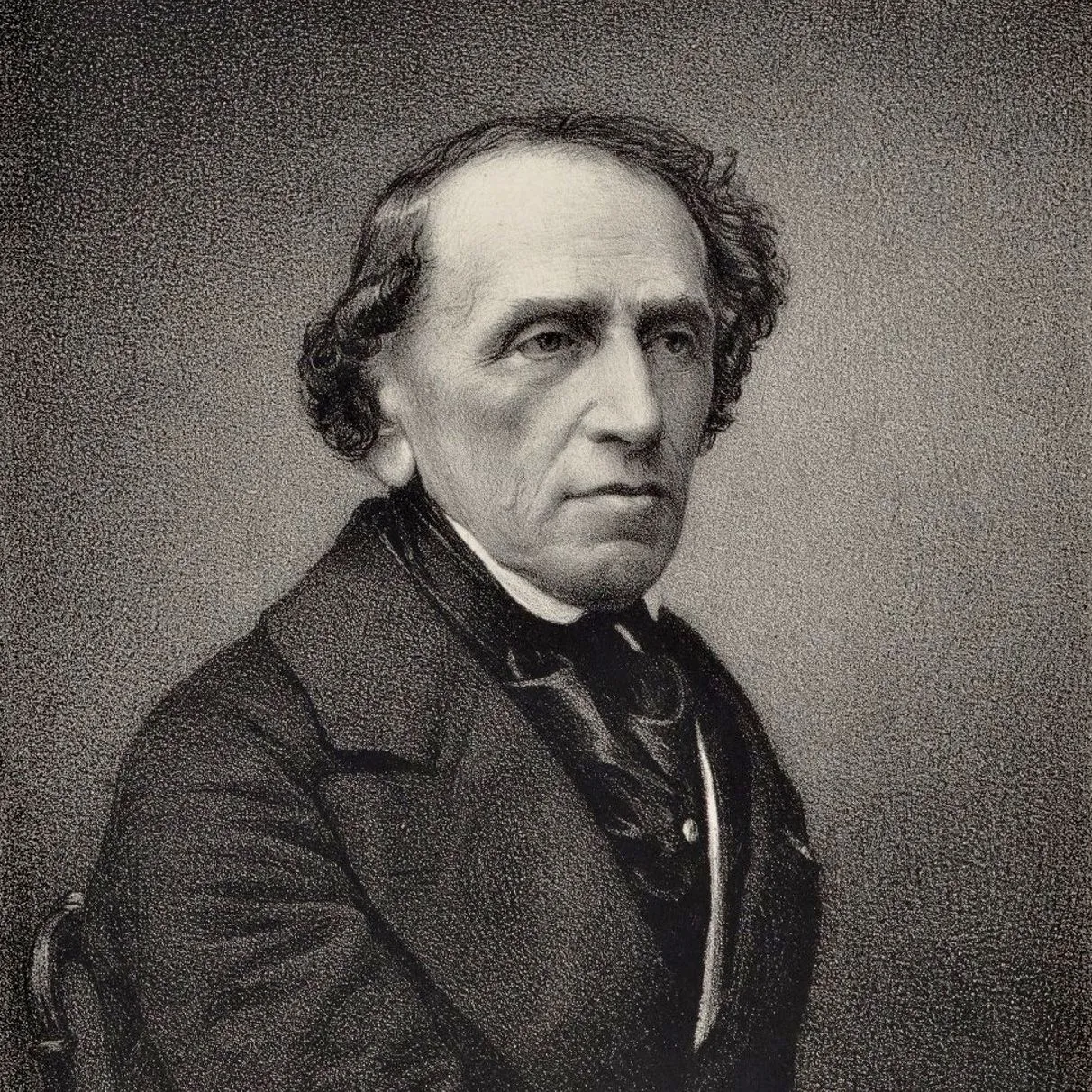
Giacomo Meyerbeer(arr. Charles-Valentin Alkan)

Le Prophète: Ouverture12:33

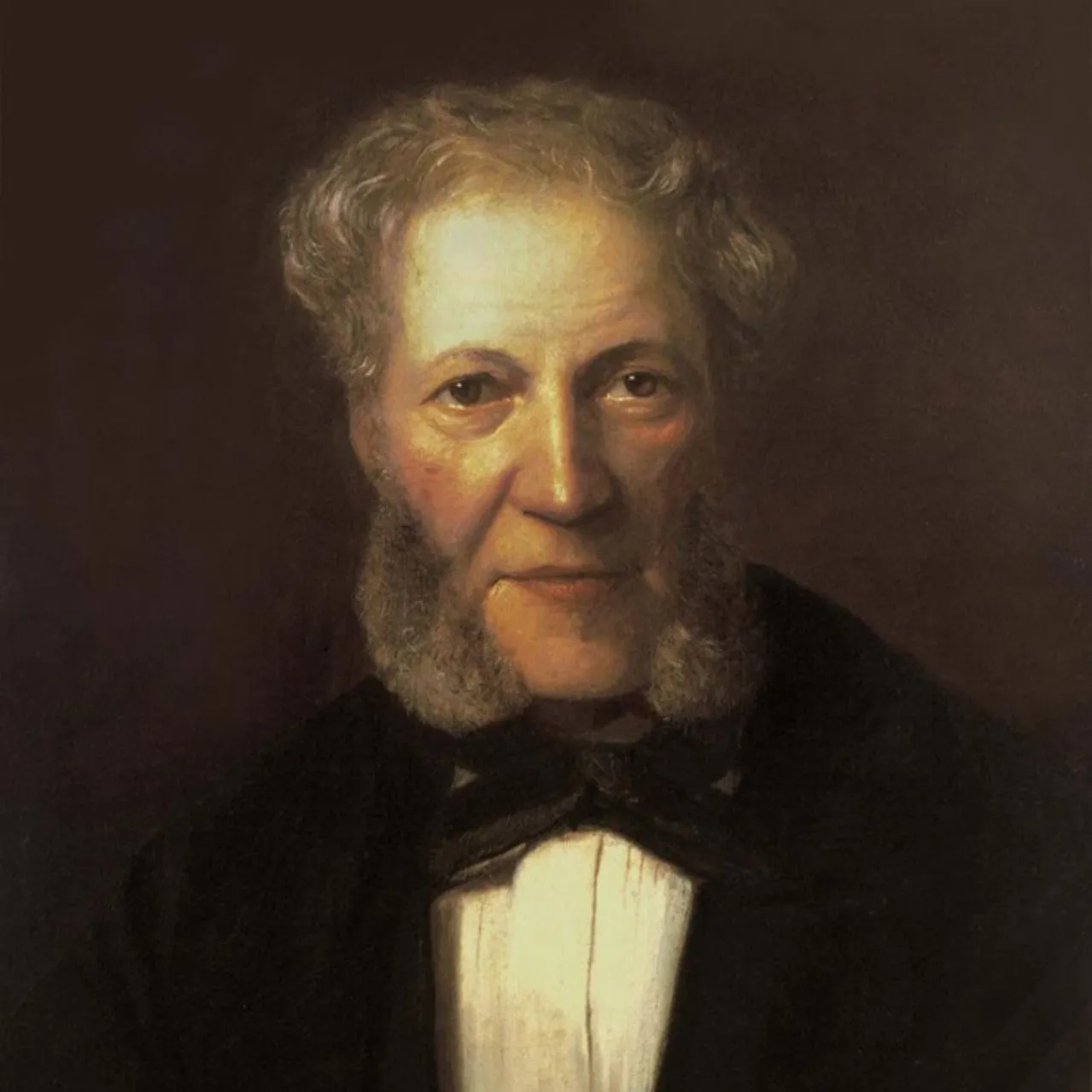
Charles-Valentin Alkan(arr. José Vianna da Motta)

Neuf préludes, Op. 66

No. 1, Moderamente3:25
No. 2, Andantino4:33
No. 3, Allegro moderato1:55
No. 4, Tempo giusto4:50
No. 5, Quasi adagio5:08
No. 6, Andantino4:24
No. 7, Alla Giudesca4:30
No. 8, Lento3:10
No. 9, Adagio8:54

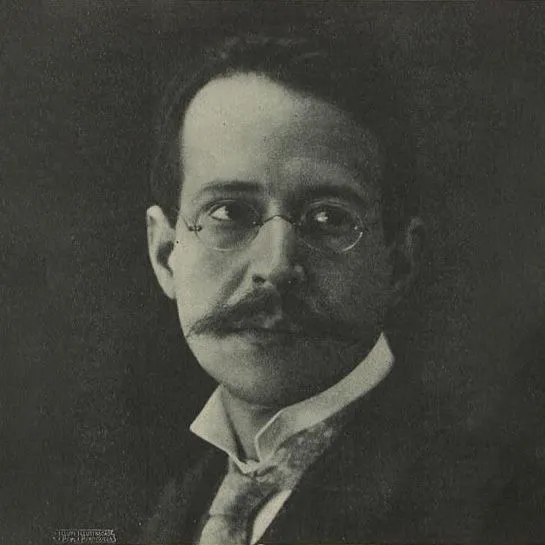
Ignaz Moscheles(arr. Charles-Valentin Alkan)

Hommage à Weber, Op. 102

I. Allegro vivace4:30
II. Andantino con moto3:57
III. Allegro vivace6:09
Total playing time1:07:58

Artists

Composers

The sound is truly fantastic. […] The end product is indeed stunning to say the least.

Listener

By rights this CD should be in for several awards. It should certainly be on the shelves of every serious performing institution, and in the hands of all who value vital and creative piano playing of the highest quality, not to mention listeners who love to explore rare repertoire. remarkable achievement.

Richard Shaw, Alkan Society Bulletin

Overall, this is no doubt one of the most riveting discs I have heard all year and I rate it five stars for performance, choice of repertory, instruments, recording quality and presentation.

Early Music Magazine

Few discs I have been sent over many years have had as much to interest the musicologist in me along with almost unknown repertoire to my liking. Finish this off with great recorded sound and performances by hugely skilled pianists and you have a very special release.

James Harrington, American Record Guide

… the album sounds beautiful – artistically, aesthetically – and from standards of technical quality, the sound is about as authentic as if we were standing in the room.

Jacqueline Kharouf, Fanfare Magazine

Credits

Producer, recording & mastering engineerBrendon Heinst
Assistant engineerBart Koop
Piano technicianFrits Janmaat
Photography & artworkBrendon Heinst
Liner notesStephanie McCallumErin Helyard
GenreRomantic
InstrumentationChamber
Recording dateFebruary 2016
Recording locationMaison Érard, Amsterdam (NL)
Recording formatPCM 352.8 kHz 24 bit
Mastering formatPCM 352.8 kHz 32 bit
Release dateSeptember 24, 2016
Booklet

Technical specifications

MicrophonesSonodore RCM-402
Microphone preamplifiersSonodore MPA-502
CablingMogami Neglex Quad 2534 microphone cablesFurutech FA-220 interlinksFurutech FS-Alpha loudspeaker cables
AD/DA conversiondCS 955
MonitoringVivid Audio B1 DecadePrimare A32