We grow with our challenges.
Ours was: How can we expand the repertoire for nonet, uncover the chamber music in orchestral pieces, while also working our own group sound?
This CD is a proud first step in this direction.
Making a musical arrangement is best compared with translating a book, and I imagine that a translator must answer the same questions before he goes to work. How do I transform the original into a new form, whilst keeping the message of the work clear? Which bits and pieces have to be cut, and what new space is created through this process? Which notes must stay?
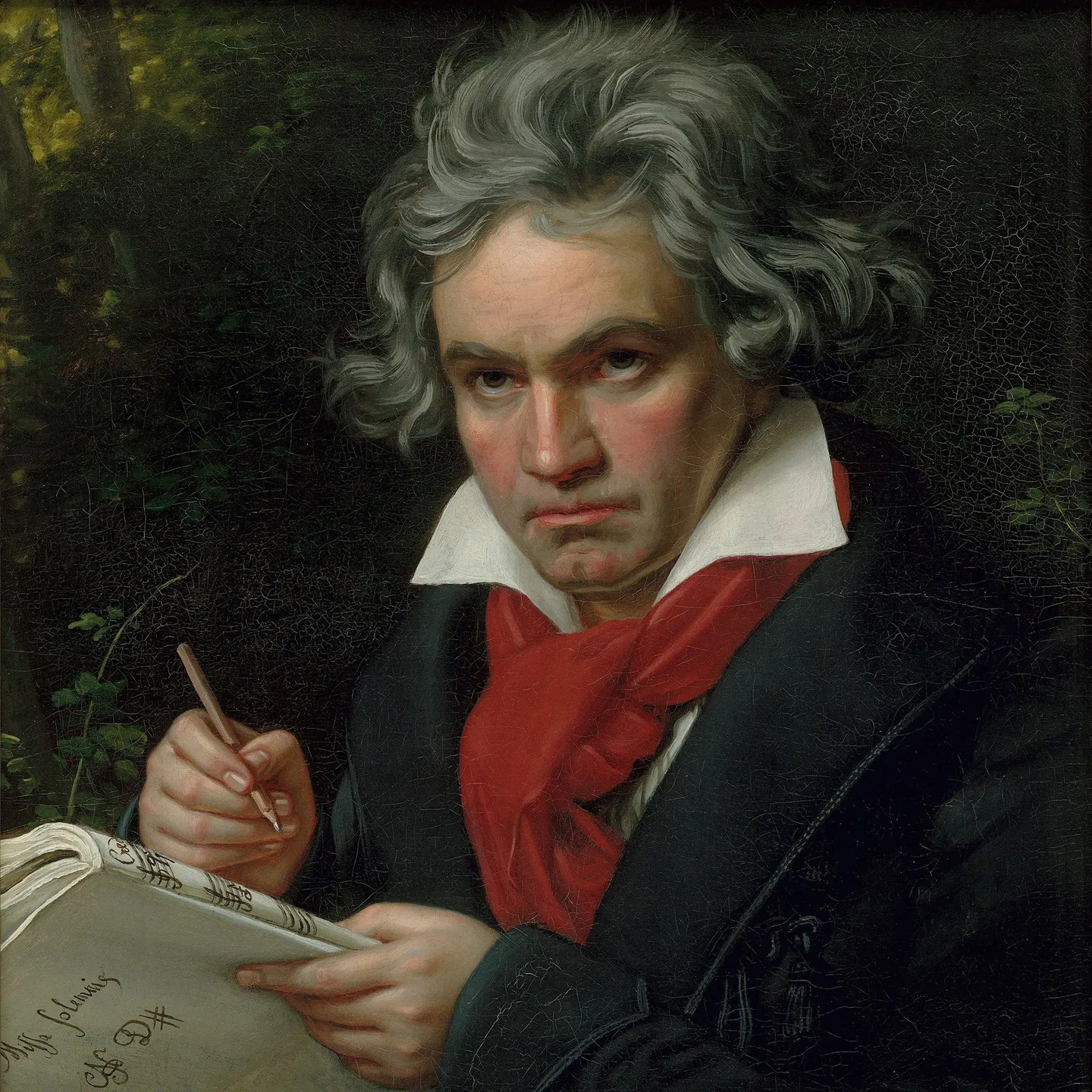
Armed with the orchestral score and a sharpened pencil, I started my operation. In the beginning, I mumbled “sorry, Ludwig…” under my breath every time I crossed out a note, but after a while I started to get into the swing of things, and before I know it I was two symphonies in.
The result was interesting for us: It turned out that we couldn’t really treat these arrangements as orchestral works anymore. Their new form posed a new, different set of challenges for us than the original orchestral parts. The symphonic versions that we all know and love had to make way for a more transparent, flexible approach, with open ears and sharp eyes for our fellow players.
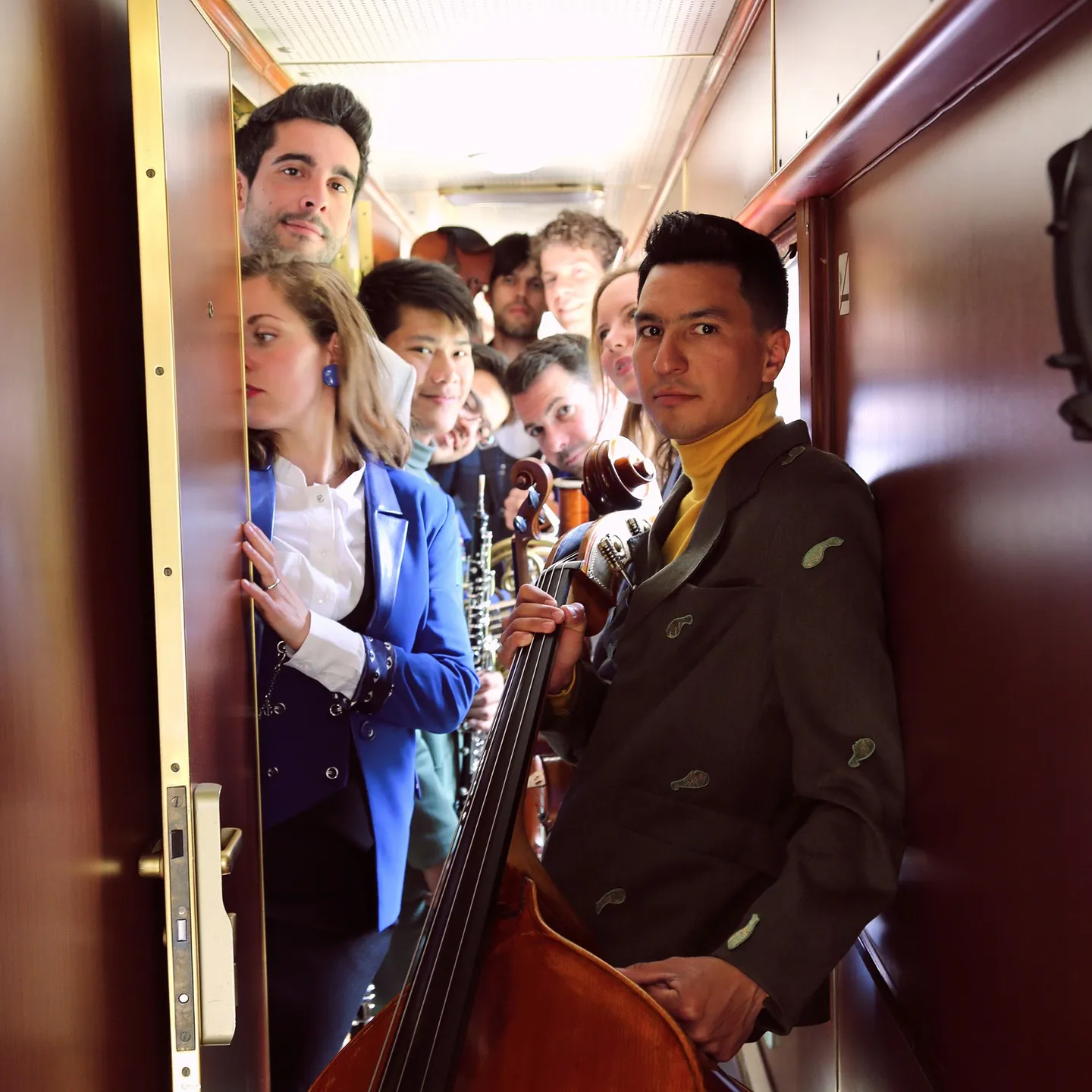
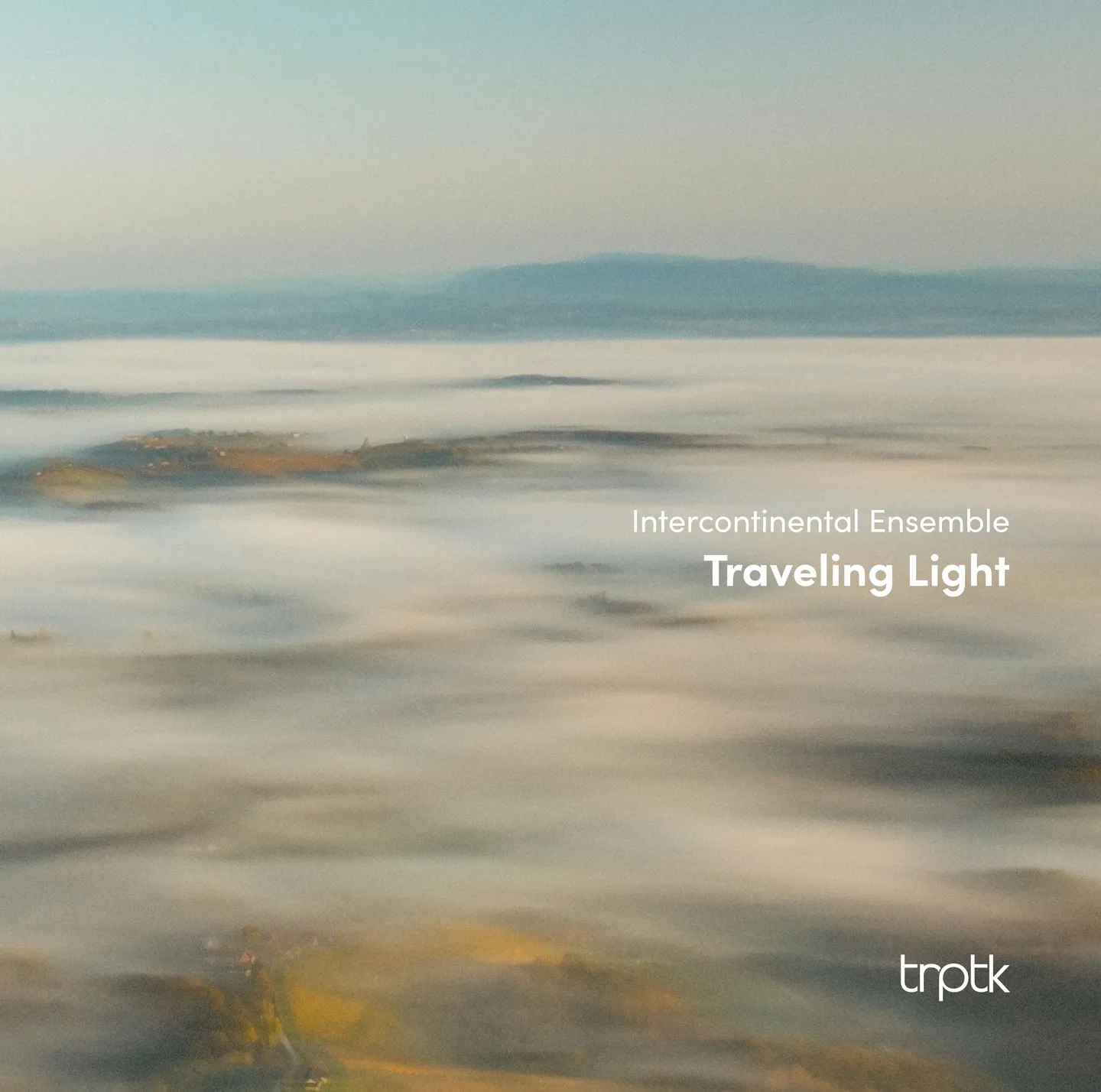
The title “Traveling Light” has a double meaning: on the one hand it refers to the arrangements themselves, which have been slimmed down from a full orchestral setting to a version for nine individual players. On the other hand, it has a special, extra meaning for us, as we have come together from all corners of the earth, driven by our love for music. That this happened in Amsterdam – a city that counts more than 180 nationalities amongst its residents – is, of course, a happy coincidence.
Travel isn’t just about packing a suitcase small enough to be hand luggage. We also see it as the cultural luggage that everyone takes with them. What happens to your own, personal luggage when you’re constantly moving from place to place, or when you meet people from different backgrounds? When nine people with different pasts and backgrounds make music together, how many of your original convictions and ideas remain intact?
Another thing we noticed was that an enormous number of interpretative possibilities became available to us, and that this great freedom came with great responsibility. No conductor to cue for an entrance or to tell us how we should phrase something. No concertmaster or section leaders for us to hide behind. We were all required to know the score by heart, and to ensure that we knew what the others were doing without getting lost in our own notes.
This democratisation of the symphony helped us all grow, both as musicians and as people. In the end, it’s all about the music, and we hope that you will enjoy rediscovering these symphonies through our arrangements as much as we did.