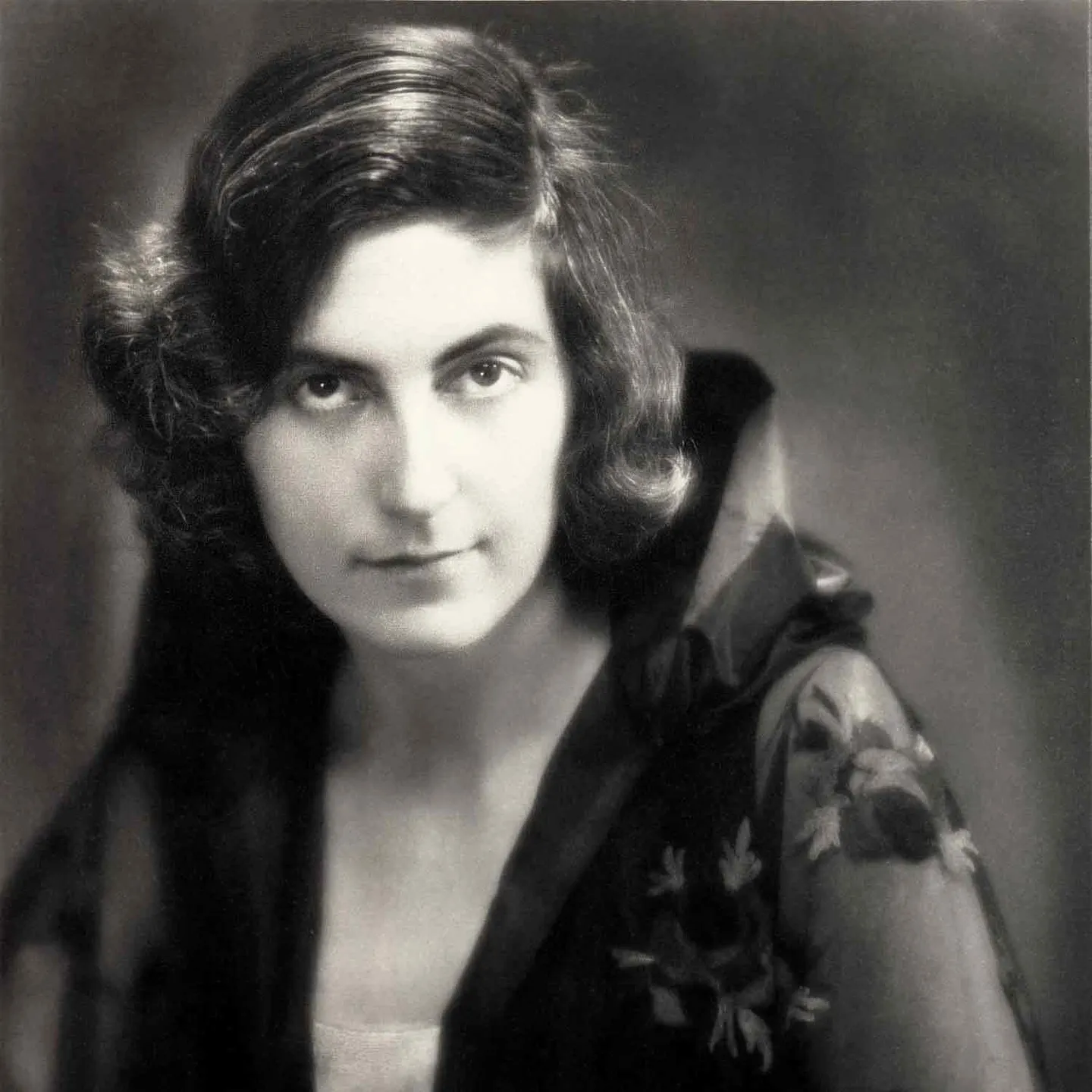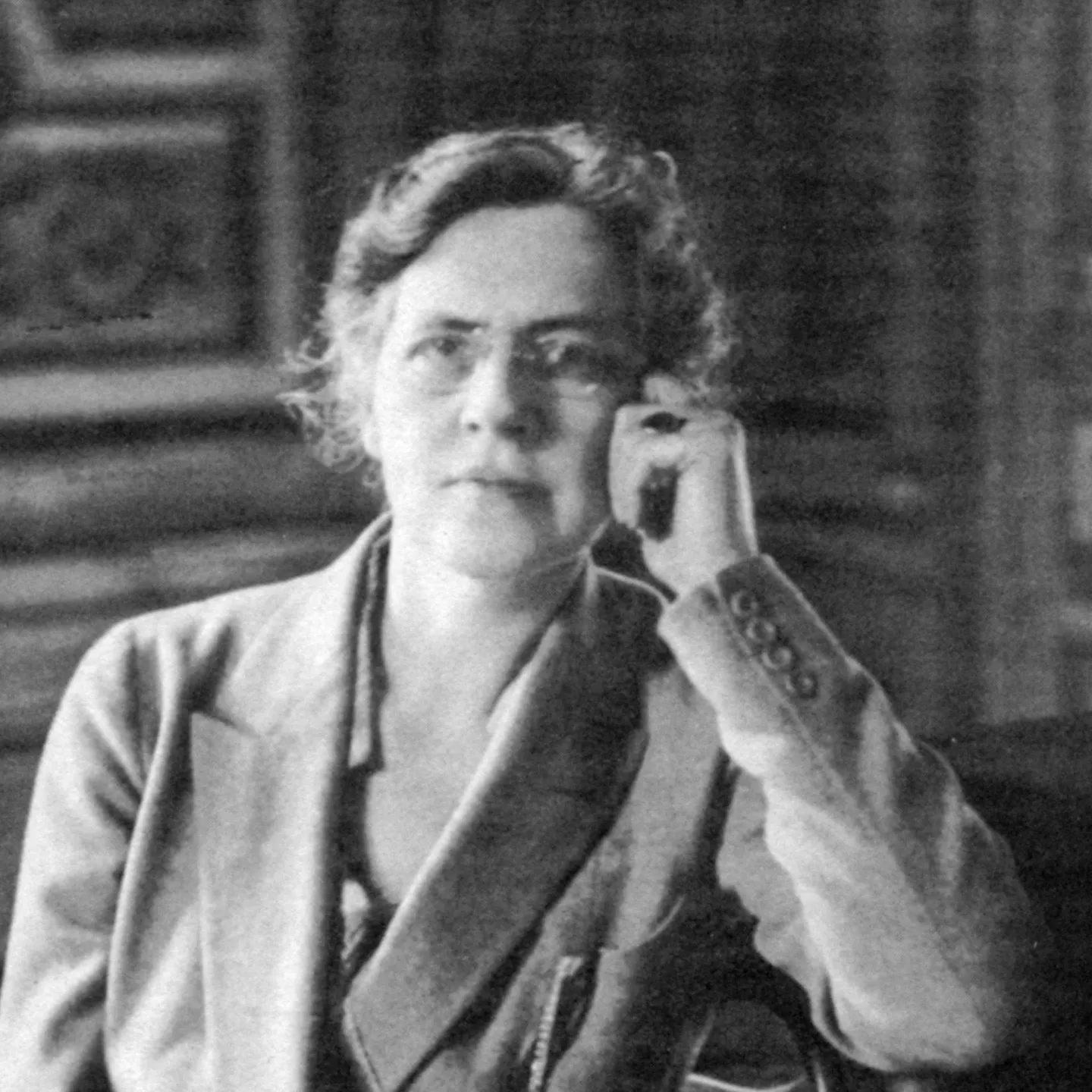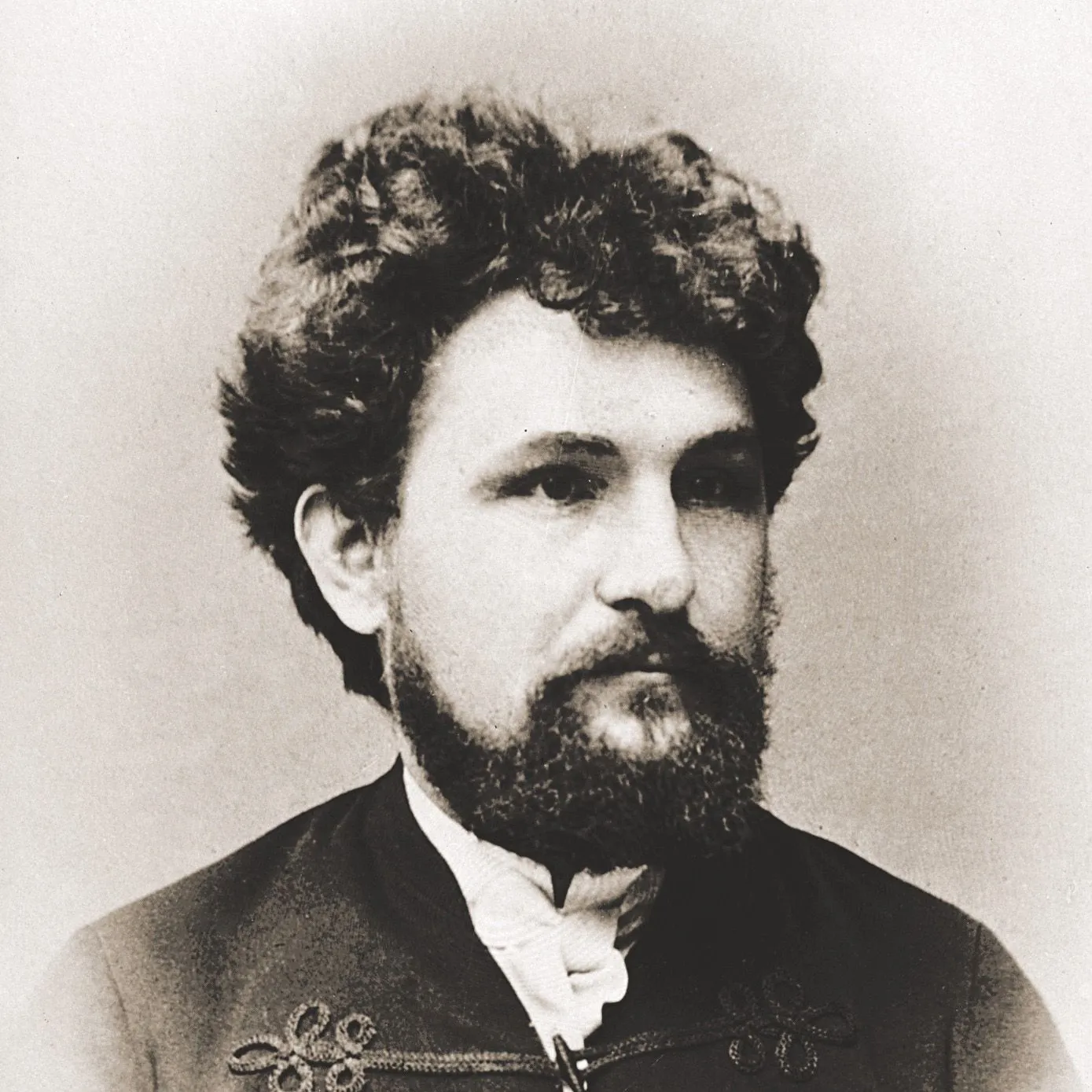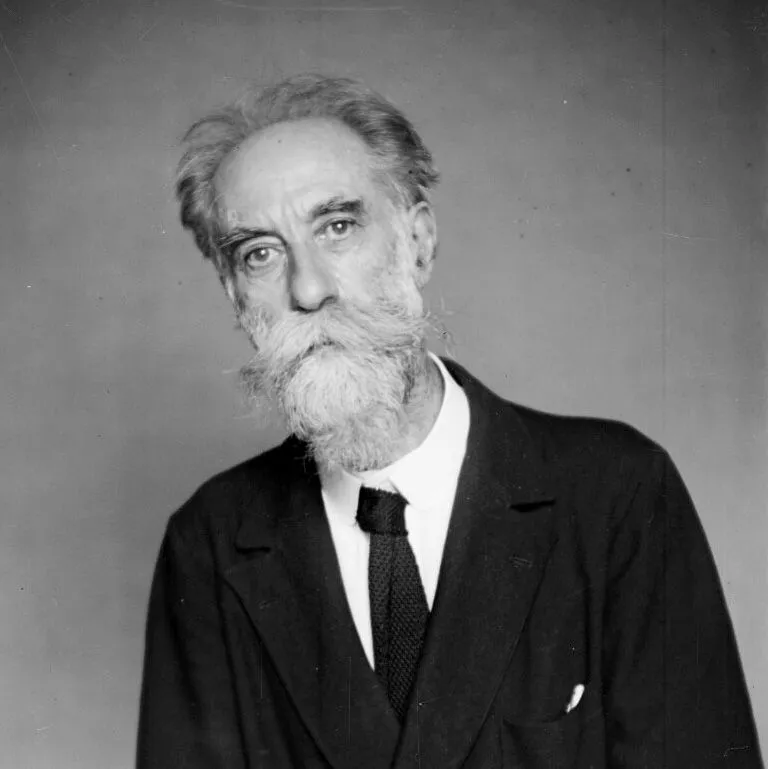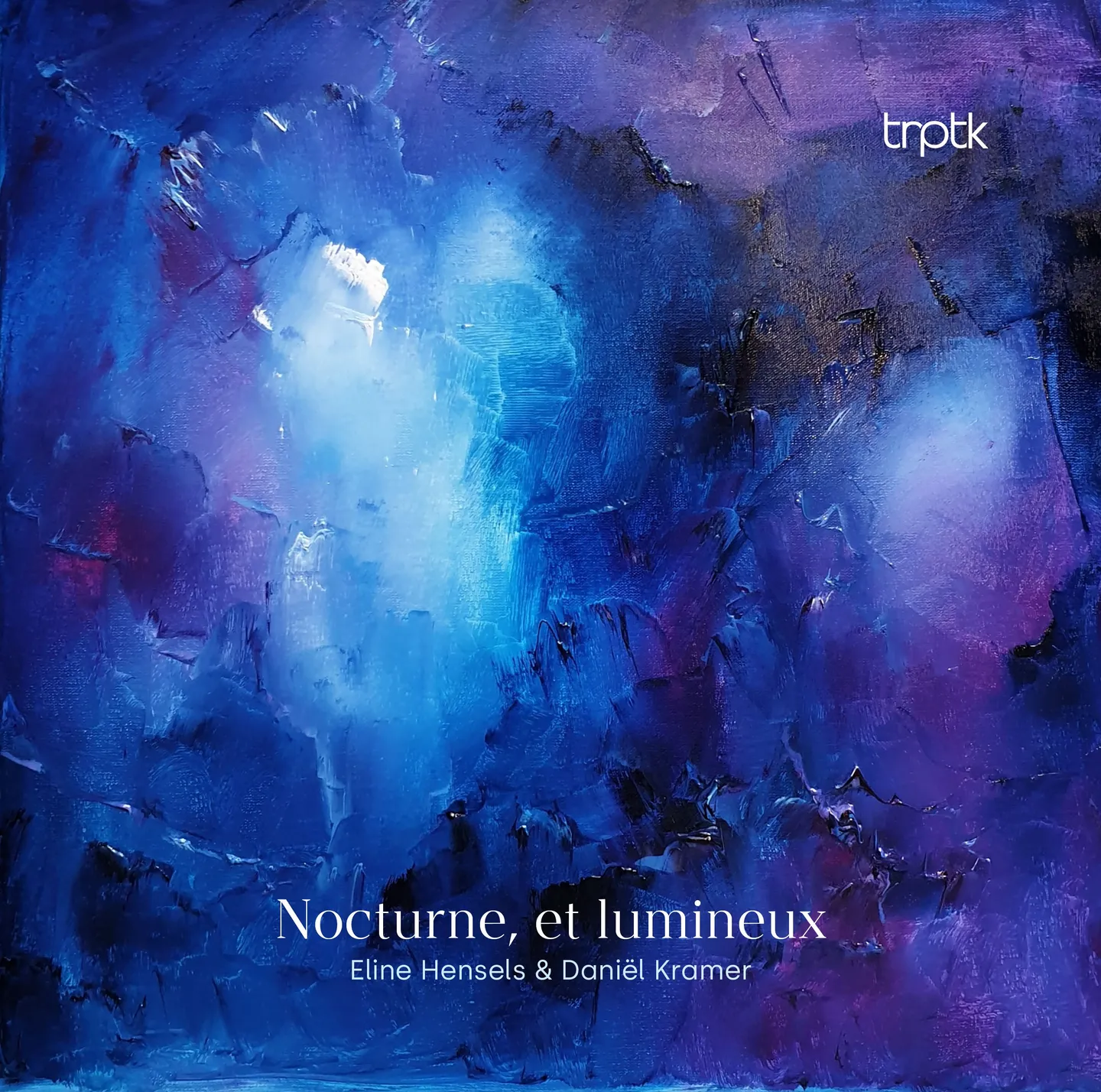
Album cover for Nocturne, et lumineux by Eline Hensels & Daniël Kramer

Nocturne, et lumineux

Eline Hensels & Daniël Kramer

About the album

Although Charles Koechlin led an — one could state — almost ‘conventional’ life as a composer, studying at the Paris Conservatoire with Massenet and Fauré and subsequently earning his money as a teacher and composer, his interests stretched long ways beyond just composing. He had a wide range of interests, which can also be assumed to have affected his compositional style. These interests, for instance, included French folksong, Bach chorales, the “Jungle Book”, photography, and most noticeably, astronomy, with the young Koechlin having had aspirations of becoming an astrologist.

In his enormous output of orchestral works, chamber music, and vocal music, this analytical approach is very often present, which leads to a highly personal and immediately recognisable musical style. In the Cello Sonata, which was written in 1917 and premiered in 1924, we can almost imagine ourselves under a heaven of stars, with melodies that effortlessly seem to flow in and out of the musical landscape present, and underlying patterns sometimes being very hard to decipher, if at all present. In all of this, rhythm and time signature seem to be floating freely in time and space, especially in the first two movements, of which the first movement is somewhat brighter in tone than the second movement, the latter featuring some rather dark colours, aided by the performance indication “en somme” (sleeping). In the third movement, some more agitation seems to occur, which however seems to come along with a slightly brighter the mood, especially considering the movement preceding it. After a number of climaxes that however never get overwhelming or emotionally intense, the movement, and with it the sonata, ends in a calm and soothing manner.
Tracklist

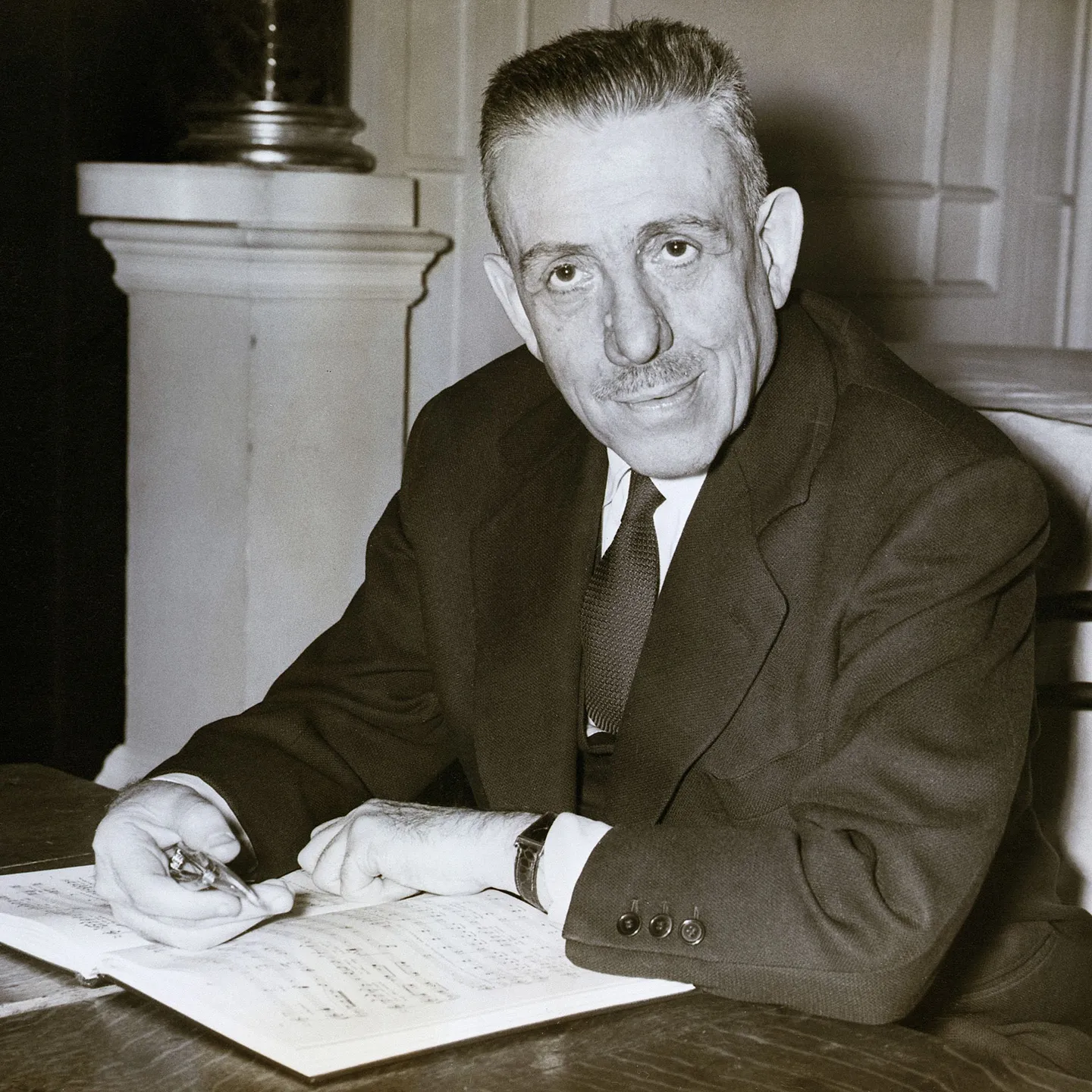
Charles Koechlin

Cello Sonata, Op. 66

I. Très modéré, et d'allure bien tranquille3:58
II. Andante quasi adagio / Très calme3:39
III. Final. Allegro non troppo6:15

Nadia Boulanger

3 Pieces for Cello and Piano

No. 1, Modéré2:53
No. 2, Sans vitesse et à l'aise1:46
No. 3, Vite et nerveusement rythmé2:37

Leoš Janáček

Pohádka, JW VII-5

I. Con moto5:08
II. Con moto4:18
III. Allegro2:46

Henriëtte Bosmans

Impressions: No. 2, Nuit calme6:50

Francis Poulenc

Cello Sonata, FP 143

I. Allegro - Tempo di Marcia5:53
II. Cavatine6:30
III. Ballabile3:35
IV. Finale6:44
Total playing time1:02:52

Artists

Composers

These are two performers who - it may sound obvious - let the music speak for itself, without any exaggeration, and precisely because of this the end result is all the more impressive. Passionate but controlled, I might add, which almost as a matter of course creates room for enchanting nuances, in a sparkling and spiritual discourse, in a fine mixture of panache and subtle refinement. Music which is thus really brought to life, can manifest itself narratively and thus offers fascinating vistas.

Aart van der Wal, OpusKlassiek

The sensitivity Hensels and Kramer demonstrate in these eloquently articulated renditions reflects tremendously on the high level of musicianship they've achieved. The intensity of their outpourings in the second movements of the Janácek and Poulenc works likewise testifies to the deep level of engagement the recital partners bring to all of the material on the release.

Ron Schepper, Textura

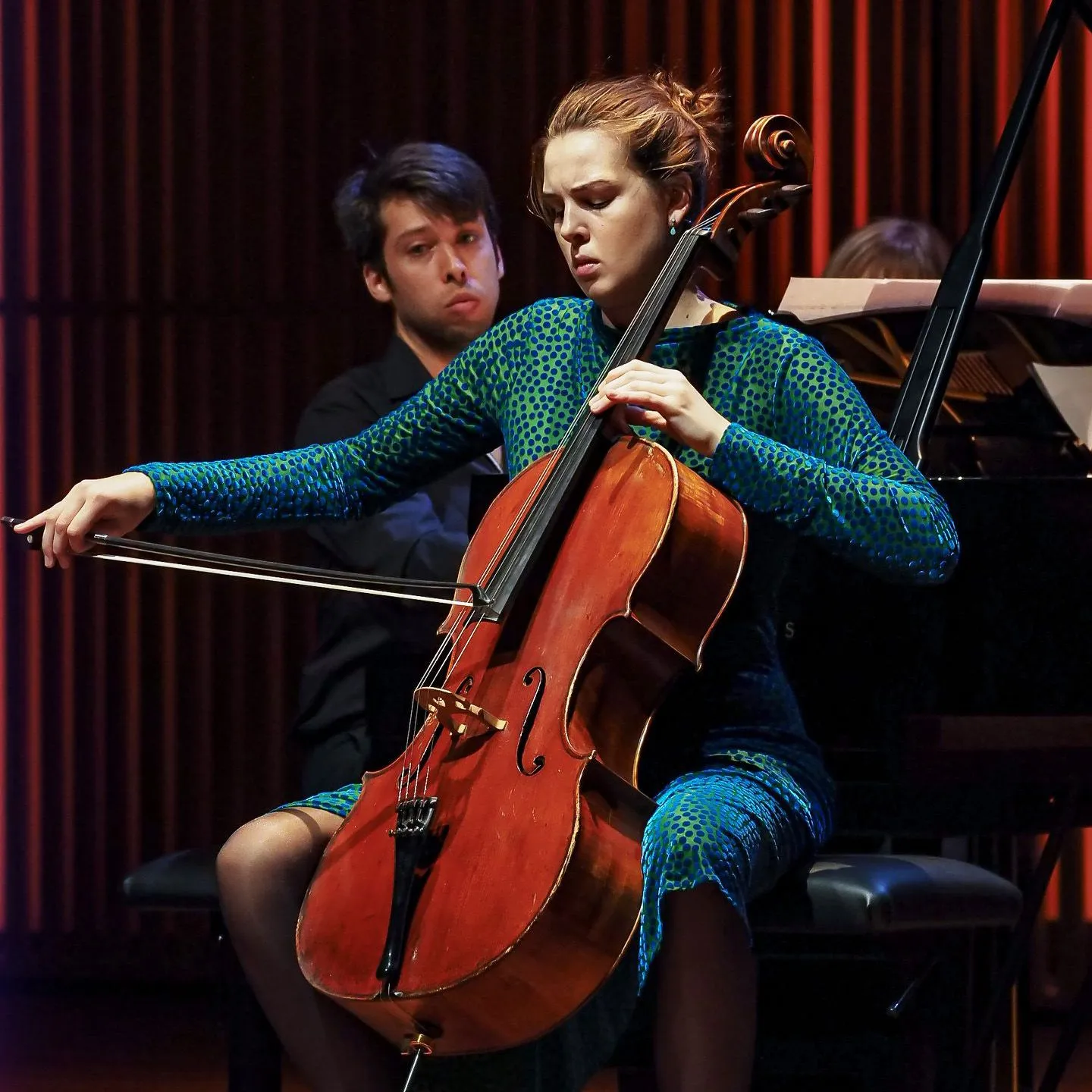
Eline Hensels' cello rises and flows as she beautifully communicates the changing landscape of Koechlin's vision. Daniël Kramer supports the cello, occasionally leads it, in a well matched partnership of vision for how the music should play itself out.

Rushton Paul, Positive Feedback

The title Nocturne, et lumineux is as beautiful as the artwork: a nocturnal sky that lights up here and there. It is also the performance indication in the second movement of Charles Koechlin's Cello Sonata. Here, there is often a combination of dark and light moments, with both instruments taking turns. It is also a piece that can only be grasped with difficulty, but it sounds amazing.

Paul Herruer, Luister

We ought to be immensely grateful to the Hensel-Kramer team for lifting this once-ridiculed Sonata to the level of enjoyment it deserves. Their interpretation is further proof that in the hands of dedicated and capable musicians, this ‘awkward’ Sonata comes of age and may now be seen as having joined the ranks of core repertoire ‘for cellists with a sufficient degree of insight and virtuosity’. The more so, as those requirements are in high demand to turn any idea about awkwardness into one of brilliant innovation, especially in the two final movements. A mission that has perfectly been accomplished by either.

Adrian Quanjer, HRAudio

Credits

GenreRomanticContemporary
InstrumentationChamber
Release dateMarch 1, 2024
Booklet