Featured composer
Alfred Schnittke
1934–1998
Alfred Schnittke was an eminent composer who was instrumental in shaping the world of music in the 20th century. His works, primarily known for their emotional depth and exploration of different musical styles, have left a profound impact on the world of classical music. Early life and education Schnittke was born on November 24, 1934, in Engels, in the Volga-German Republic of the Soviet Union. His mother, Maria Vogel, was of Volga German descent and his father, Harry Viktorovich Schnittke, was Jewish and born in Frankfurt. The family moved to Vienna in 1946, where Schnittke began his formal musical training. Vienna's rich cultural environment played a significant role in his artistic development. He took violin lessons and started composing at a young age, showing an early predilection for music. The family moved again in 1948, this time to Moscow, where Schnittke enrolled in the October Revolution Music School. He furthered his studies at the Moscow Conservatory from 1953 to 1958, studying composition under Yevgeny Golubev and orchestration under Nikolai Rakov. During his years at the conservatory, he was deeply influenced by the works of various composers, including Dmitri Shostakovich, a figure who would later become a significant influence on his compositional style. Career beginnings and evolution After graduating, Schnittke spent the next decade teaching instrumentation at the Moscow Conservatory while also working as a composer for film and television. His film work was an essential aspect of his career; he composed the scores for over sixty films in the Soviet Union. This work allowed him to experiment with various musical styles and genres. In the late 1960s, Schnittke began to gain recognition as a composer of concert music. His First Symphony, completed in 1972, was a defining piece for him, employing a technique he called "polystylism." Polystylism is a fusion of different musical styles and periods into a single composition, a hallmark of Schnittke's music. This symphony's daring combination of various musical idioms was deemed controversial in the Soviet Union but earned him international acclaim. Throughout the 1970s and 80s, Schnittke's music evolved, with works marked by a distinct spiritual and philosophical depth. His works during this period were profoundly influenced by his personal struggles with the Soviet authorities and his deteriorating health. Recognition and struggles Despite facing numerous obstacles, including official censorship and health problems, Schnittke's reputation continued to grow. He became one of the most celebrated composers of his generation, both within and outside the Soviet Union. His compositions, including symphonies, concerti, chamber and choral music, gained recognition for their emotional intensity and distinctive blending of styles. However, the latter half of the 1980s was marred by severe health problems for Schnittke. In 1985, he suffered the first of several strokes, which significantly impacted his health and affected his ability to work. Later life and legacy In the 1990s, after the collapse of the Soviet Union, Schnittke moved to Hamburg, Germany, where he lived for the remainder of his life. His music from this period reflected a shift towards a more minimalist style. Despite his declining health, he remained productive, even from his hospital bed. Schnittke passed away on August 3, 1998, leaving behind a diverse body of work that has since been performed and recorded by many major orchestras and soloists worldwide. Alfred Schnittke's music reflects a keen awareness of the tumultuous times he lived in. He developed a unique musical language that married the traditions of Western classical music with the realities of his Soviet environment. Despite being often controversial, Schnittke's work resonates with audiences for its emotional intensity and intellectual depth. His exploration of different musical styles and his courageous experimentation have had a lasting impact on classical music. Schnittke's music continues to be widely performed and recorded. His influence is evident in the work of many composers who came after him. His contribution to music, both as a composer for concert music and film scores, has secured his place as one of the 20th century's most influential composers. Today, Schnittke's work is seen as a testament to the power of music to reflect and respond to the world's complexities.
Composers
293 composer(s)

Samuel Penderbayne
1989

Astor Piazzolla
1921–1992
Heather Pinkham
Mikhail Pletnev
1957
Antonio Podestá
1868–1945
Nicola Antonio Porpora
1686–1768
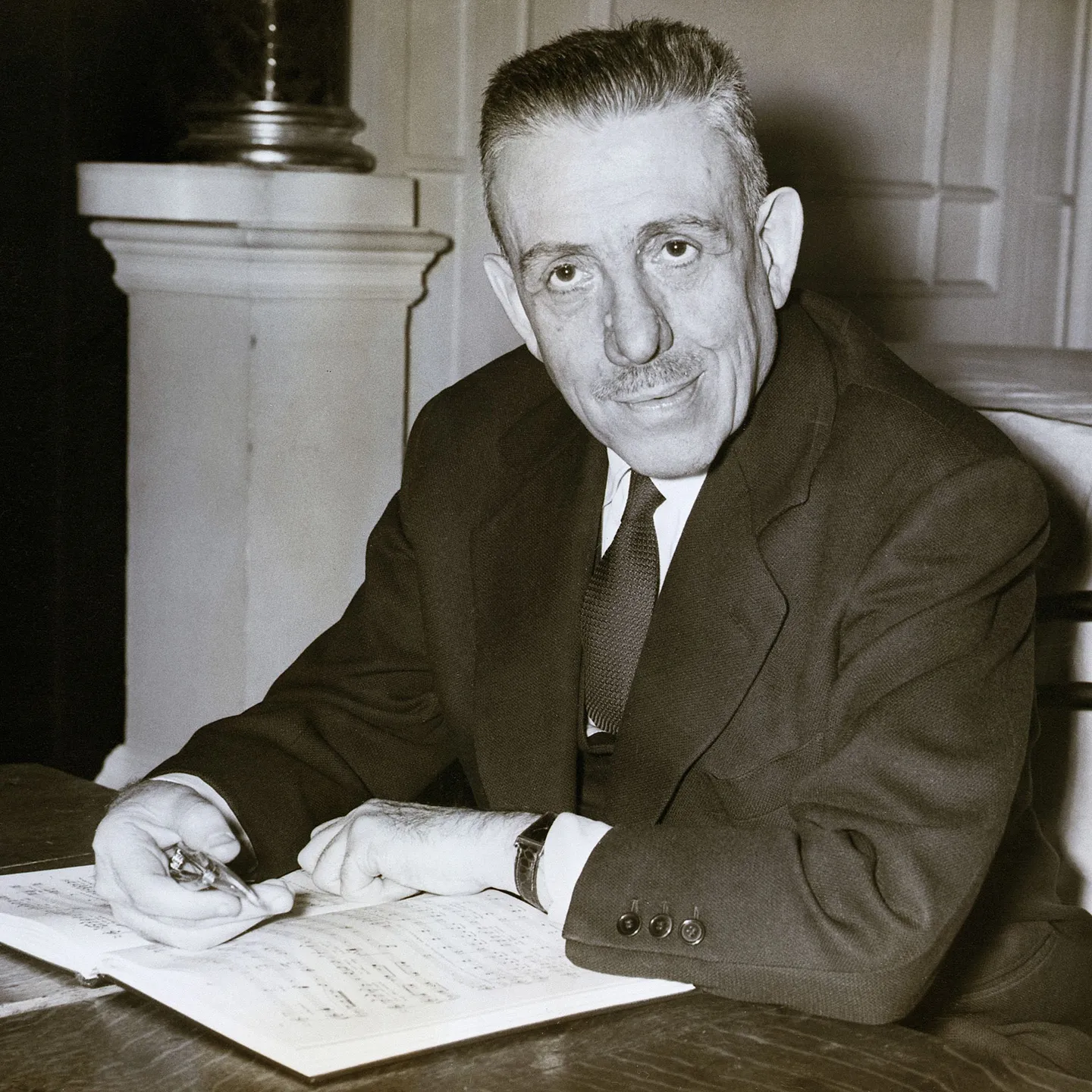
Francis Poulenc
1899–1963
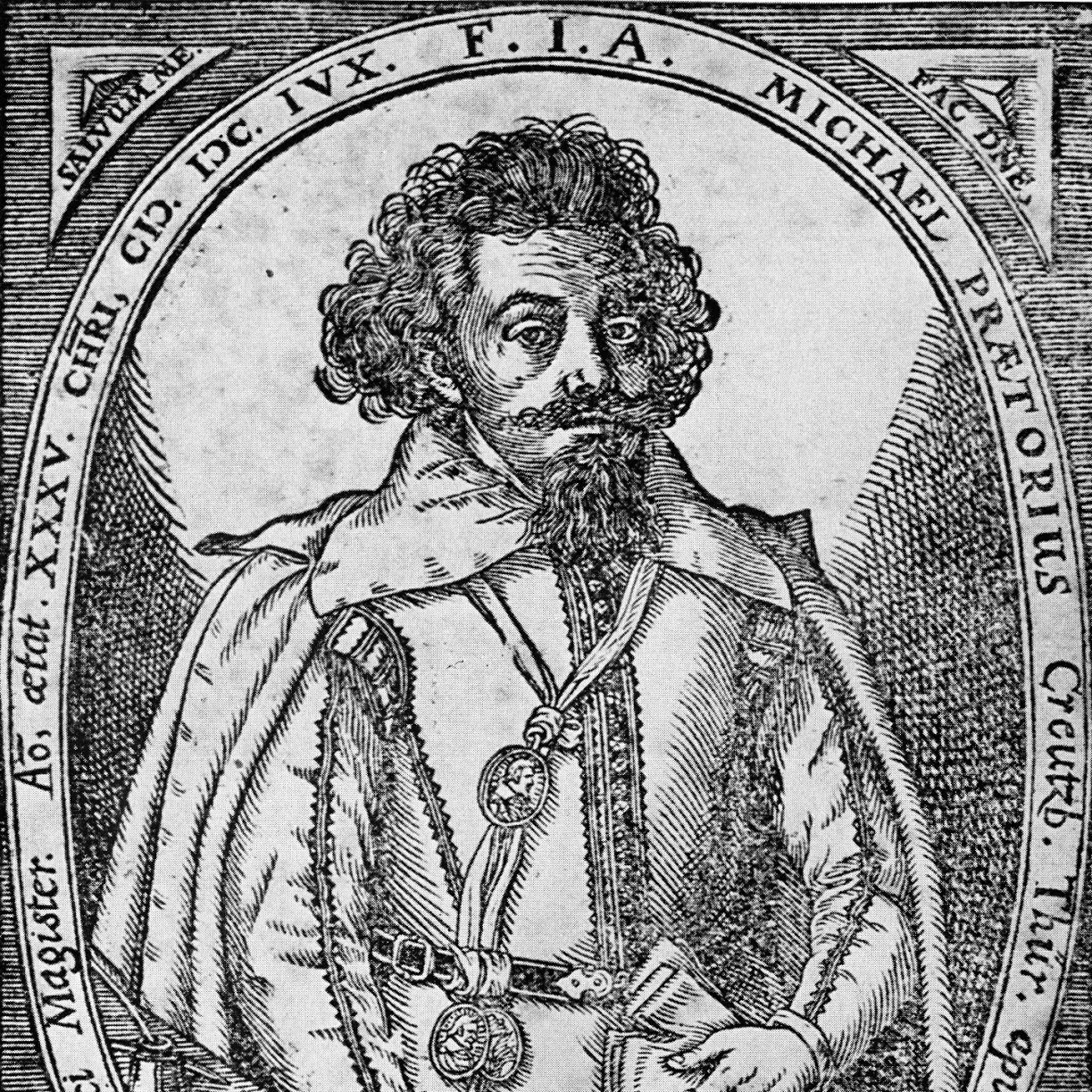
Michael Praetorius
1571–1621

Johann Gottfried Pratsch
1750–1818

Jacques Prévert
1900–1977
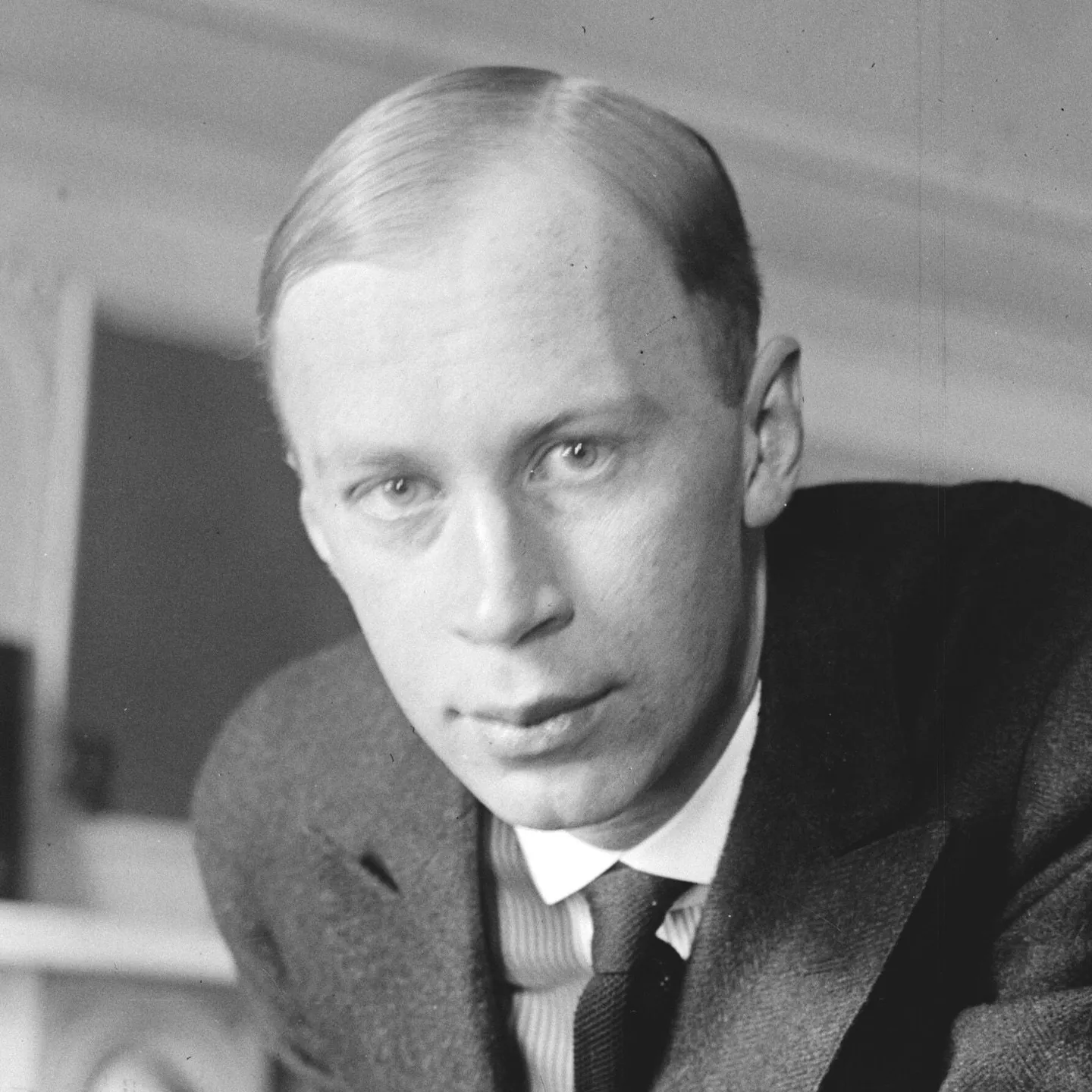
Sergei Prokofiev
1891–1953

Sergei Protopopov
1893–1954
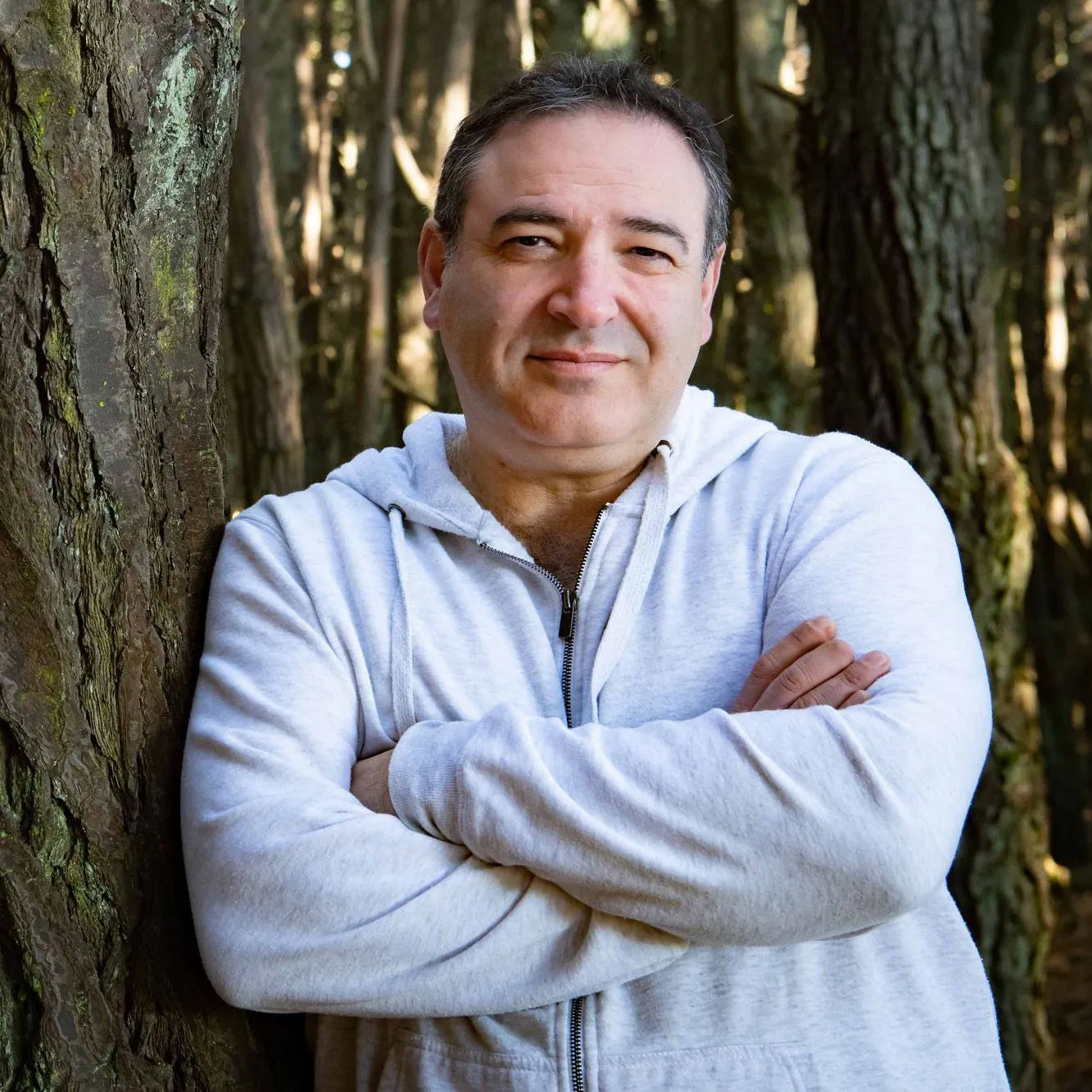
John Psathas
1966
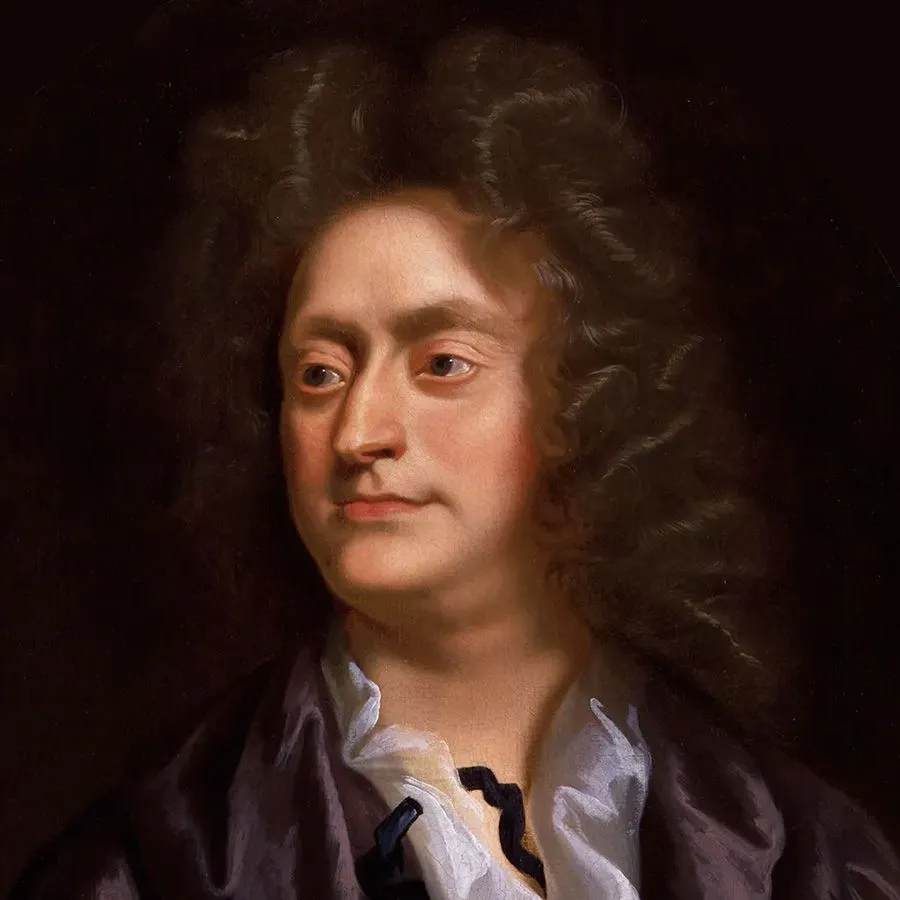
Henry Purcell
1659–1695
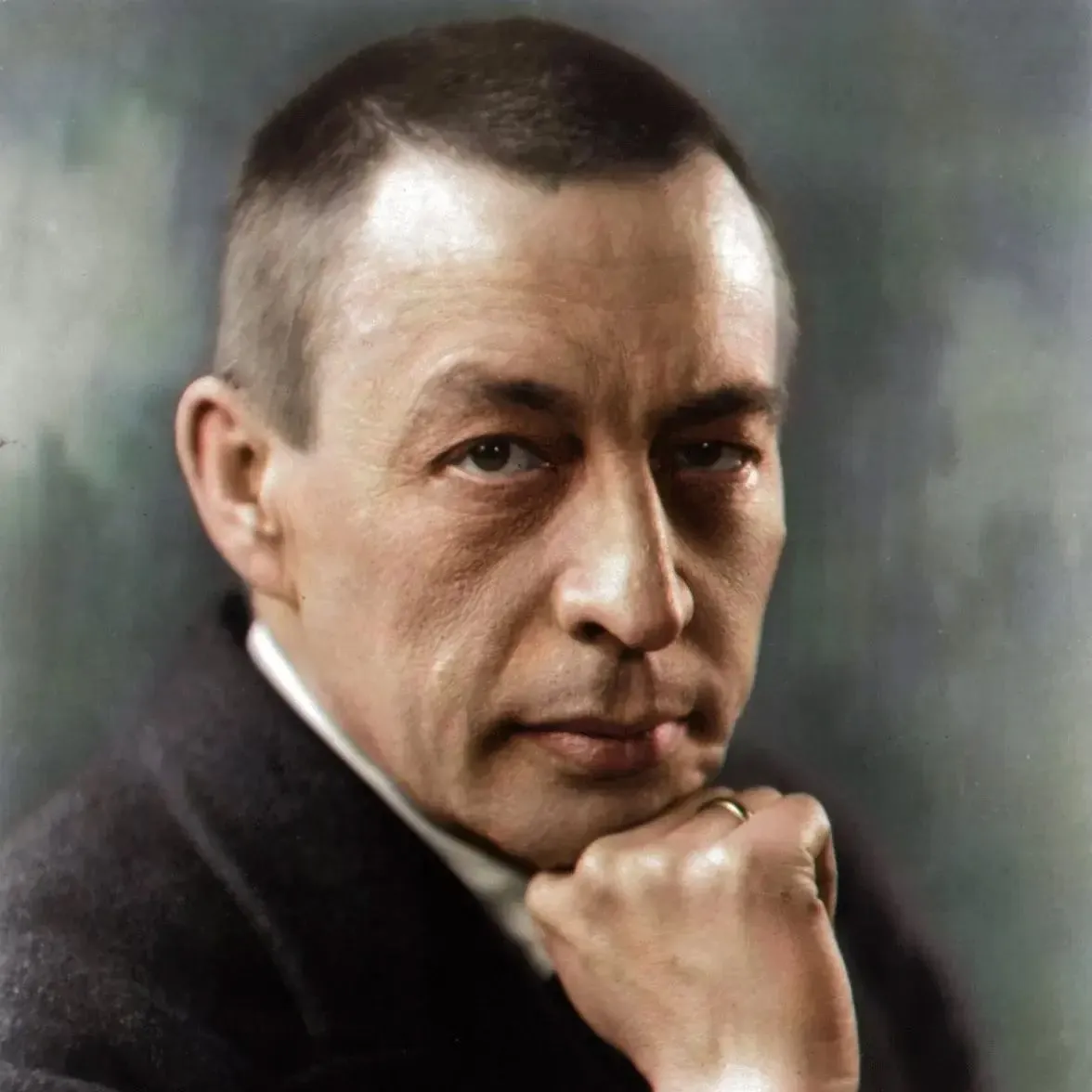
Sergei Rachmaninoff
1873–1943

Jean-Philippe Rameau
1683–1764

Maurice Ravel
1875–1937

José Razzano
1887–1960

Lou Reed
1942–2013

Johann Friedrich Reichardt
1752–1814

José Ricardo
1888–1937

Christiaan Richter
1990

Richard Rijnvos
1964