Biography
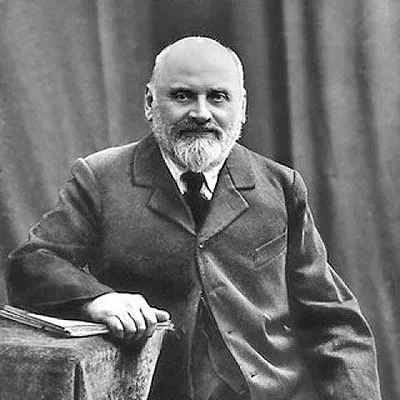
Mily Balakirev (1837–1910) was a Russian composer, pianist, and influential conductor, best known as the intellectual leader of the nationalist movement in nineteenth-century Russian music. Largely self-taught, Balakirev rejected the dominance of Western European academic traditions in favor of a distinctly Russian musical language rooted in folk song, Orthodox chant, and native historical themes. His aesthetic ideals emphasized originality, color, and emotional directness, setting him apart from conservatory-trained composers of his era.
Balakirev’s greatest legacy lies less in the size of his compositional output than in his role as mentor and organizer of the group later known as The Five—including Rimsky-Korsakov, Mussorgsky, Borodin, and Cui—whom he guided with rigorous, often uncompromising artistic standards. His own works, such as Islamey and the symphonic poem Tamara, are noted for their technical difficulty, vivid orchestration, and incorporation of Eastern and folk elements. Despite periods of withdrawal from public musical life due to personal and psychological struggles, Balakirev’s influence on Russian music was profound and enduring, helping to shape a national style that resonated well beyond Russia’s borders.