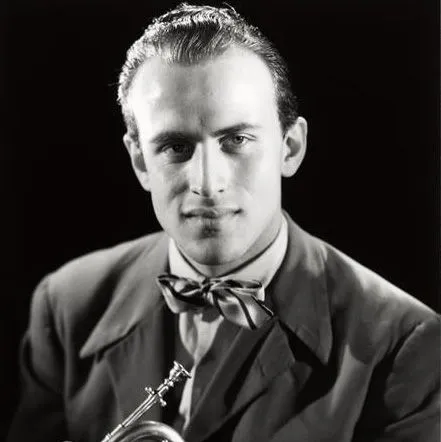
Biography
Boris Vian (1920–1959) was one of the most restless and inventive figures of postwar French culture—a writer, poet, jazz musician, critic, engineer, and provocateur who seemed determined to live several artistic lives at once. Born in Ville-d’Avray near Paris, Vian trained as an engineer but was quickly drawn into the bohemian intellectual circles of Saint-Germain-des-Prés, where literature, philosophy, and jazz collided in smoky clubs and late-night debates.
As a novelist, Vian is best known for L’Écume des jours (Froth on the Daydream), a surreal and deeply emotional love story that blends playful fantasy with quiet devastation. His fiction often bends reality: rooms shrink with sadness, inventions border on the absurd, and humor sits uncomfortably close to tragedy. Under the pseudonym Vernon Sullivan, he also wrote scandalous noir novels—most famously J’irai cracher sur vos tombes—which sparked public outrage and legal trouble, cementing his reputation as a literary troublemaker.
Music was just as central to Vian’s identity. A passionate jazz devotee and talented trumpeter, he played an important role in popularizing American jazz in France, writing criticism, organizing concerts, and befriending visiting musicians. His own songs, sharp and satirical, often took aim at war, hypocrisy, and authority—most notably “Le Déserteur,” an anti-war anthem that was censored upon release.
Vian died young, at just 39, but his influence far outlived him. Long dismissed as eccentric or frivolous, he was later recognized as a major voice of 20th-century French literature—one who refused boundaries between high art and popular culture, seriousness and play. Today, Boris Vian is remembered not just for what he created, but for the radical freedom with which he lived and imagined.